Introduction
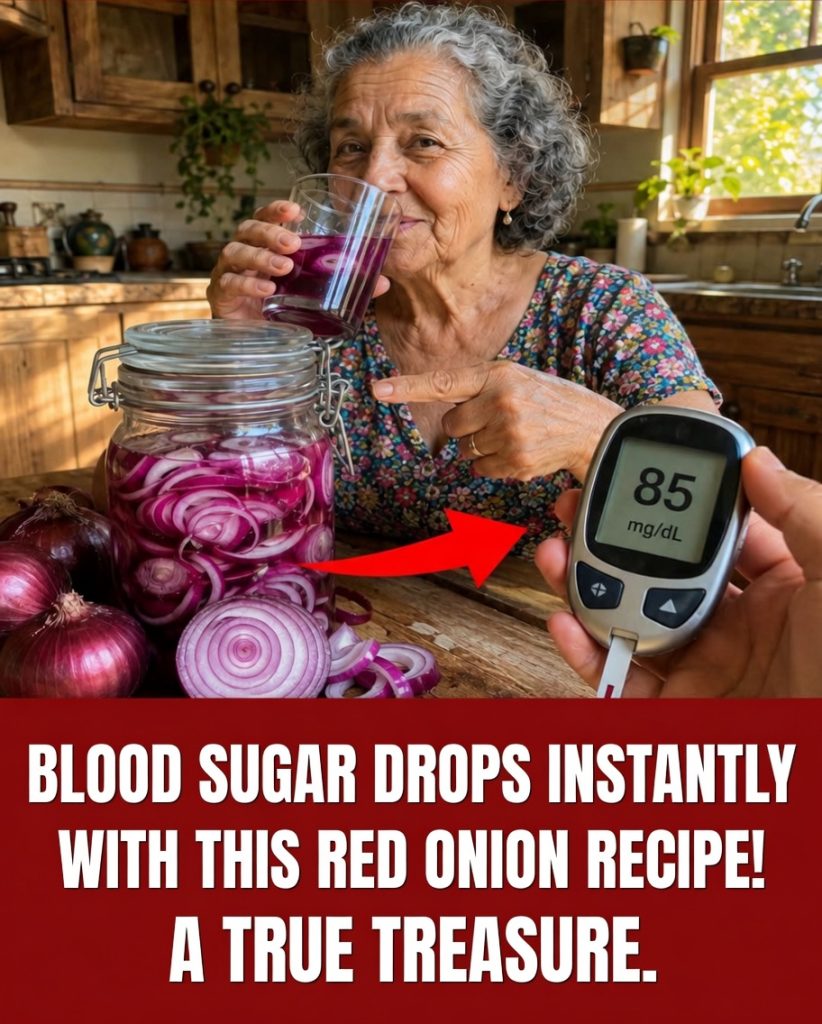
Purple onion is much more than a colorful kitchen staple. Rich in antioxidants, fiber, vitamins, and beneficial plant compounds, it has long been used in traditional cooking and home wellness practices around the world.
In recent years, researchers have explored how onions may support heart health, healthy blood sugar management, and overall wellness. While purple onion is not a treatment for diabetes or other medical conditions, including it regularly in a balanced diet may offer nutritional benefits.
In this guide, you’ll discover simple recipes, the science behind purple onion’s nutrients, and practical tips for incorporating it into a healthy lifestyle.
Disclaimer: This article is for educational purposes only and should not replace professional medical advice or prescribed treatment. If you have diabetes or another chronic condition, follow your healthcare provider’s recommendations.
Why Purple Onion Is Considered a Healthy Food
Purple onions contain several nutrients and naturally occurring plant compounds associated with overall health.
Some of the most notable include:
- Quercetin
- Anthocyanins (the pigments responsible for the purple color)
- Vitamin C
- Dietary fiber
- Sulfur-containing compounds
These nutrients contribute to the vegetable’s antioxidant and anti-inflammatory properties.
Can Purple Onion Help Support Healthy Blood Sugar?
Some laboratory and human studies suggest that onions may contribute to healthy glucose metabolism as part of a balanced diet. Their fiber content may also help slow digestion and promote steadier blood sugar responses after meals.
However:
- Purple onion cannot cure diabetes.
- It should never replace prescribed medications.
- Healthy blood sugar management also depends on nutrition, exercise, sleep, stress management, and medical care.
Recipe 1: Purple Onion Smoothie
Ingredients
- 1 large purple onion
- 1 cup (250 ml) water
- 1 teaspoon honey (optional)
Instructions
- Peel and chop the onion.
- Blend with the water until smooth.
- Strain if desired.
- Add a small amount of honey only if needed for flavor.
Serving Suggestion
Enjoy a small serving occasionally if you tolerate raw onion well. Drinking large quantities on an empty stomach may cause digestive discomfort for some people.
Recipe 2: Purple Onion and Lemon Herbal Drink
Ingredients
- ½ purple onion, thinly sliced
- Juice of 1 fresh lemon
- 1 cup hot water
- 1 teaspoon freshly grated ginger (optional)
Instructions
- Place the onion slices in a cup.
- Pour hot water over them.
- Steep for 10 minutes.
- Add lemon juice and ginger.
- Stir and enjoy warm.
This beverage offers a refreshing combination of antioxidants and vitamin C.
Recipe 3: Pickled Purple Onion with Apple Cider Vinegar
Ingredients
- 2 medium purple onions
- 1 cup apple cider vinegar
- Pinch of sea salt
Instructions
- Slice the onions thinly.
- Place them in a clean glass jar.
- Pour in the vinegar.
- Add the salt.
- Refrigerate for at least 24 hours before serving.
How to Enjoy
Use a few slices as a topping for:
- Salads
- Sandwiches
- Tacos
- Grain bowls
- Grilled vegetables
Recipe 4: Purple Onion and Honey Syrup
This traditional home remedy is often used to soothe the throat.
Ingredients
- 1 large purple onion
- 5 tablespoons honey
Instructions
- Dice the onion.
- Place it in a clean glass jar.
- Cover with honey.
- Let stand for 8–12 hours.
- The onion will release a naturally sweet liquid.
Traditional Use
Some adults enjoy a small spoonful occasionally for throat comfort.
Important: Honey should never be given to infants under one year of age.
Nutritional Properties of Purple Onion
| Nutrient or Compound | Potential Role |
|---|---|
| Quercetin | Antioxidant support |
| Anthocyanins | Help protect cells from oxidative stress |
| Vitamin C | Supports immune function and collagen production |
| Fiber | Supports digestion and healthy blood sugar responses |
| Sulfur compounds | Contribute to the onion’s distinctive flavor and nutritional value |
Potential Health Benefits
When consumed regularly as part of a healthy diet, purple onions may help support:
- Healthy blood sugar management
- Heart health
- Normal cholesterol levels
- Healthy circulation
- Digestive wellness
- Immune function
- Antioxidant protection
- Overall nutritional balance
Individual results vary, and no single food provides these benefits on its own.
Tips for Including Purple Onion in Your Diet
Try adding purple onion to:
- Fresh salads
- Omelets
- Homemade salsa
- Stir-fries
- Sandwiches
- Roasted vegetable dishes
- Soups
- Whole-grain bowls
Cooking onions slightly may reduce their sharp flavor while still preserving many beneficial nutrients.
Safety Considerations
Purple onion is generally safe for most people, but keep these precautions in mind:
- Raw onions may worsen acid reflux, gastritis, or stomach irritation in sensitive individuals.
- Large amounts may cause bloating or digestive discomfort.
- People taking blood-thinning medications should discuss major dietary changes with their healthcare provider.
- Individuals with diabetes should monitor blood sugar carefully and never stop prescribed medications without medical advice.
Frequently Asked Questions
Can purple onion lower blood sugar?
Purple onions may support healthy blood sugar regulation as part of an overall balanced diet, but they are not a substitute for diabetes treatment.
Is raw onion healthier than cooked onion?
Both provide valuable nutrients. Raw onions retain more vitamin C, while cooked onions are often easier to digest.
Can I eat purple onion every day?
For most healthy adults, moderate daily consumption as part of a varied diet is considered safe.
Does onion cure diabetes?
No. Diabetes requires ongoing medical care, healthy lifestyle habits, and, when necessary, prescribed medications.
Conclusion
Purple onion is a flavorful, nutrient-rich vegetable packed with antioxidants, fiber, and beneficial plant compounds that support overall health. Whether enjoyed fresh, pickled, blended into recipes, or added to everyday meals, it can be a valuable part of a balanced eating pattern.
While purple onion cannot cure diabetes or replace medical treatment, regular consumption alongside nutritious foods, physical activity, and routine healthcare may contribute to better long-term wellness. Small, consistent dietary choices often have the greatest impact on overall health over time.