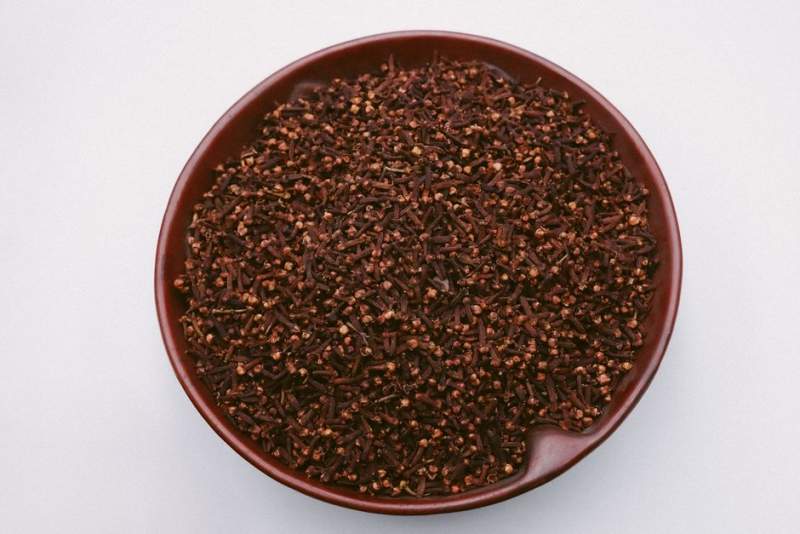
Cloves are not just a kitchen spice. Those tiny dark buds hit hard on the exact problems this post promises: eye strain, mouth comfort, gum irritation, and the slow, dirty buildup of oxidative stress that ages tissue from the inside out.
One whiff and you know why they’ve been prized for centuries. They carry a sharp, warm bite that seems to wake the whole mouth, like a switch flipping on in tissue that’s been running half-dead for too long.
Your eyes feel it first when circulation gets sluggish and stress compounds keep piling up. The lids get heavy, the whites look tired, and the morning mirror shows a face that looks older than it should.

Your gums tell a similar story. They get puffy, touchy, and reactive, like the lining of your mouth is wearing paper-thin armor against every meal, every brush, every sip of coffee.
The cheap little buds in clove are loaded with eugenol and plant compounds that act like molecular brooms, sweeping through the mess left behind by daily wear, stress, and poor diet.
The wellness machine barely whispers about that. Nobody built a Super Bowl ad around a spice that grows in a tree and fits in the palm of your hand.
That’s the ugly truth: the cheapest fix gets the least airtime, even when it helps the body do what it was built to do in the first place.
The Cellular Spark That Changes the Terrain
Think of your body like a house with a clogged air filter. When dust, soot, and grime keep piling up, the whole system starts wheezing, and every room feels stale.
Cloves act like a deep clean for that kind of internal mess. Their antioxidants don’t just sit there looking impressive on a label; they go after the unstable molecules that batter healthy cells and leave tissues looking and feeling worn down.

The first thing people notice is that the mouth feels less hostile. Food stops hitting raw nerve edges quite so hard, and that sour, off-kilter feeling in the gums begins to back off.
After a few days of consistency, the shift shows up in the little things: fresher breath, less morning drag in the mouth, and a cleaner feeling after meals instead of that sticky, stale residue that clings to everything.
That’s the Clove Defense Surge: a full internal scrub that helps the body stop drowning in its own daily oxidative trash.
And because cloves carry eugenol, the effect feels more aggressive than ordinary kitchen flavor. It’s like using a heavy-duty degreaser instead of a damp cloth on a stove that has been crusted over for years.
Why the Mouth Notices First
Your mouth is exposed all day long. Heat, sugar, bacteria, dry air, coffee, and acidic foods keep hammering the same soft tissue over and over, so the damage announces itself fast.
That’s why cloves have such a long tradition in oral care. They bring a fierce, warming presence that makes the mouth feel alive again instead of dull, inflamed, and irritated.
Picture a late afternoon when your breath feels thick and your gums feel like they’ve been sandpapered by the day. A clove-infused rinse or tea changes the atmosphere in that space, turning a sour, tired mouth into one that feels cleaner, sharper, and easier to live in.
It’s not magic. It’s chemistry meeting tissue that has been starving for a break.
Why Women and Men Feel the Shift in Different Places
Women often notice the hidden strain in the mirror first. Puffy-looking eyes, dull skin, and a mouth that feels inflamed can all track back to the same internal burden: too much oxidative stress and not enough raw biological fuel to keep cells resilient.
Men often notice it in the body’s performance signals. The morning feels heavier, the mouth feels rougher, and the whole system seems to run like an engine with old oil and a dirty filter.
Cloves help by feeding the body compounds that act like rust-stripping agents. That matters because tissue under constant attack starts to look tired long before anyone labels it a problem.
Over time, the pattern gets clearer: less morning puffiness, less mouth irritation, and a cleaner internal environment that makes everyday routines feel less like a fight.
Think of it as replacing a clogged faucet screen with a fresh one — suddenly the flow returns, and everything downstream behaves better.
The Third Place You Feel It
The digestive tract often joins the conversation next. After meals, a body overloaded with stress and sluggish circulation can feel bloated, heavy, and strangely slow, like traffic backed up at a single exit ramp.
Cloves have a warming, activating effect that traditional kitchens have leaned on for generations. They help the body settle into a more organized post-meal rhythm instead of leaving you with that brick-in-the-belly feeling.
That’s why a cup of clove tea or a dish seasoned with them can feel so different from bland food. The warmth spreads, the stomach stops sulking, and the whole after-dinner slump loses some of its grip.
The body likes signals. Cloves send one loud enough to matter.
Most people chase a dozen separate fixes for mouth, eyes, and digestion. Cloves hit the same underlying traffic jam from three angles at once.
And that is exactly why they keep showing up in old traditions. Not because they were fashionable. Because people noticed what happened when the buds entered the routine.
The Part Nobody Likes to Admit
Wall Street doesn’t build empires around a spice you can buy for a few dollars. You can’t slap a shiny logo on cloves and charge eighty-nine bucks a bottle.
That’s why the simplest tools get buried under louder, pricier noise. The body’s own repair systems are already there — they just need the right trigger and the right raw material.
Cloves deliver that trigger with brutal efficiency.
Use them in tea, in cooking, or alongside other warming spices, and the effect is less about flavor alone and more about changing the internal weather of the body.
One common habit can blunt the whole effect: dumping cloves into boiling water and leaving them to cook to death. That scorches the aroma and weakens the very compounds people are after.
Steep them with care, pair them with the right ingredients, and the next layer of the story gets even more interesting.
This article is for informational purposes only and does not replace professional medical advice. Please consult your healthcare provider for personalized guidance.