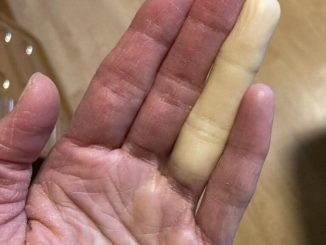
You know that feeling all too well. After a full day, your legs and feet can start to feel heavy, cool, or simply less responsive, and those first steps out of bed in the morning sometimes require an extra moment of rubbing or stretching before they feel ready to carry you comfortably. It can be quietly frustrating — even a little embarrassing — when you find yourself moving more slowly than you used to, turning down a walk with the grandkids, or needing to sit back down after standing too long, and it starts to chip away at the independence and simple pleasures you’ve worked hard to enjoy. The truth is, changes in how blood moves through the lower body become more common with the passing years, yet many people are quietly rediscovering a gentle, traditional evening ritual that may offer meaningful support. Stick with me, because the specific habit I’m about to share is surprisingly simple, affordable, and backed by both long-standing cultural use and emerging scientific interest — and it might be exactly the kind of small, doable change worth exploring tonight.

Why Leg and Foot Comfort Often Shifts as the Years Go By
Several natural processes can influence circulation in the legs and feet over time. Blood vessels gradually lose some of their natural elasticity, and the tiny valves inside veins that help return blood upward can work a little less efficiently. When daily movement decreases — whether from retirement routines, joint stiffness, or simply more time spent sitting — the helpful “muscle pump” action that assists blood flow happens less often.
Diet and lifestyle factors also play a part. Meals higher in processed foods and sodium can affect fluid balance, while dehydration makes blood thicker and harder to move. Certain medications or ongoing health conditions may add to the picture as well. None of this is anyone’s fault; it’s simply part of how bodies evolve. The encouraging news is that small, consistent daily choices can still influence how comfortable and mobile your legs feel from morning to night.
What Research Suggests About Supporting Healthy Blood Flow Naturally
One compound that has drawn particular scientific attention is capsaicin, the active component responsible for the heat in chili peppers and cayenne. Laboratory and animal studies have shown that capsaicin can interact with TRPV1 receptors — essentially the body’s built-in sensors for heat and certain plant compounds. When activated, these receptors may signal blood vessel walls to relax slightly, a process called vasodilation that allows blood to move more freely.
Some research also points to capsaicin supporting the body’s natural production of nitric oxide, a molecule that helps keep blood vessels open and responsive. Observational data in humans has linked regular dietary intake of chili peppers with certain markers of cardiovascular wellness, though researchers are careful to note that larger, long-term human trials are still needed. Traditional wellness systems in many cultures have used cayenne and similar peppers for generations specifically to create an internal warming sensation and to support circulation, especially in the extremities.
While no single food delivers dramatic overnight transformation, the existing evidence suggests capsaicin-rich peppers can be a worthwhile addition to a broader lifestyle that already includes movement, hydration, and balanced eating. The key is viewing it as one supportive piece rather than a standalone fix.
The Unexpected Pantry Staple Behind This Evening Ritual
The habit that has caught the attention of many seniors centers on a modest amount of crushed red pepper flakes or cayenne pepper taken before bed. These everyday kitchen seasonings are concentrated sources of capsaicin and have been valued across continents — from traditional practices in Asia and Latin America to herbal traditions in Europe and North America — not only for flavor but for their gentle warming and circulatory properties.
People who incorporate this ritual often describe a subtle, pleasant warmth that travels through the body after taking it, which some associate with greater overall comfort in their legs and feet as they settle for the night. The mechanism appears tied to the way capsaicin interacts with the body’s vascular system, encouraging a bit more openness in blood vessels without requiring anything complicated or expensive.
Best of all, this is something most households already have or can purchase for just a couple of dollars. A single jar lasts for months, making it one of the most accessible experiments anyone can try.
How to Try This Bedtime Ritual Safely — Step by Step
If you decide to explore this approach, doing it thoughtfully makes all the difference. Here’s a practical, low-risk way to begin.
Start by speaking with your doctor or healthcare provider, especially if you take blood-pressure medications, blood thinners, or have a history of digestive sensitivity. This step is essential because even natural foods can interact with certain prescriptions.
Choose a quality product — look for organic crushed red pepper flakes or cayenne powder from a trusted source. Begin with a very small amount: ⅛ to ¼ teaspoon is plenty for the first few nights. You can always increase gradually once you know how your body responds. A full spoonful can feel quite intense at first and is best reserved for those who have already built tolerance.
Prepare it simply. Stir your chosen amount into four to eight ounces of warm (not boiling) water. Many people add a teaspoon of honey or a squeeze of fresh lemon to soften the heat and make the drink more soothing on the stomach. Some prefer mixing it into a small cup of mild herbal tea. Take it 30 to 60 minutes before you plan to lie down so your body has time to respond without disrupting sleep.
Pay attention to how you feel the next morning and over the following days. Notice any changes in leg comfort, warmth, or general ease of movement. If you experience heartburn, stomach discomfort, or any unusual symptoms, reduce the amount or stop and consult a professional. The goal is gentle, sustainable support — not pushing through discomfort.
Finally, treat this as one helpful habit among several rather than relying on it alone. Consistency over weeks tends to matter more than any single dose.
Pairing the Ritual With Other Supportive Evening Habits
This simple addition tends to work best when combined with other gentle practices that encourage healthy blood movement. Consider weaving in a few of these as well:
- Take a short, relaxed walk after dinner or perform easy seated leg exercises such as ankle circles, gentle knee lifts, or pointing and flexing the feet while watching television.
- Elevate your legs on a pillow or low stool for 10–15 minutes in the evening to help blood return more easily toward the heart.
- Stay well hydrated throughout the day; even mild dehydration can make circulation feel more sluggish by evening.
- Choose lighter evening meals and limit heavy, salty, or highly processed foods close to bedtime.
- End the day with good sleep posture — a pillow under the knees or calves (if comfortable) can reduce pressure and support overnight comfort.
Many seniors discover that layering two or three of these habits together creates a noticeable difference in how their legs and feet feel from one day to the next.
| Habit | How It May Help Legs and Feet | How Easy to Begin |
|---|---|---|
| Short daytime or evening walk | Muscle contractions act as a natural pump | 5–10 minutes after dinner |
| Leg elevation while relaxing | Reduces blood pooling, aids return flow | Pillow or ottoman for 10–15 min |
| Steady hydration | Keeps blood from becoming too thick | Refill water bottle regularly |
| This red-pepper ritual | Capsaicin may support gentle vessel relaxation | 5 minutes to mix and sip |
| Gentle stretching or ankle work | Improves flexibility and local blood flow | 5–10 minutes before bed |
Realistic Expectations and Important Safety Notes
Everyone’s body is different, so results vary. Some people notice a comforting internal warmth within minutes, while meaningful changes in how legs feel during daily activities usually develop gradually with steady use and an overall healthy routine. Think of this ritual as one helpful brick in a larger foundation rather than a quick fix.
Certain people should proceed with extra caution or skip it altogether. Those with active stomach ulcers, severe acid reflux, or known sensitivities to spicy foods may find even small amounts irritating. Because capsaicin can have mild effects on blood flow and clotting, anyone taking blood thinners, blood-pressure medications, or other prescriptions must get medical clearance first. Quality matters — choose fresh, properly stored spices and avoid anything past its prime.
If leg discomfort is new, severe, or accompanied by swelling, skin changes, or chest pain, seek professional medical evaluation promptly rather than relying solely on home approaches.
Frequently Asked Questions
Is one full spoonful the right starting amount?
Most people new to this ritual do better beginning with far less — ⅛ to ¼ teaspoon — and increasing only if it feels comfortable. A full spoonful can be quite spicy and may cause stomach upset in those who aren’t used to it. The aim is gentle, repeatable support, not intensity.
How soon might I notice a difference?
Some people feel a pleasant warmth shortly after drinking it, but changes in overall leg comfort typically appear over days or weeks of consistent use alongside other healthy habits. Patience and realistic expectations are important — this is supportive care, not an overnight transformation.
Are crushed red pepper flakes the same as cayenne pepper?
They are related but not identical. Red pepper flakes are usually a blend of dried chilies and seeds and tend to be milder. Cayenne powder comes specifically from cayenne peppers and delivers more concentrated heat. Either can be used; many beginners prefer starting with flakes for milder flavor and adjusting from there.
Can this replace prescribed treatments or medications?
No. This is a dietary addition for general wellness support only. It is never a substitute for medical care, prescribed treatments, or professional advice. If you have diagnosed circulation concerns, continue working closely with your healthcare team on a complete plan.
What if I really dislike spicy flavors?
You can still experiment by using an even smaller pinch thoroughly mixed with honey or in a larger volume of liquid. Some people prefer capsules (available as dietary supplements), though whole-food forms are often favored. If spice remains a barrier, focus on the movement, elevation, and hydration habits — they provide meaningful support on their own.
Bringing It All Together
Small, consistent actions add up, especially when it comes to staying comfortable and independent as the years pass. Whether or not this particular evening ritual becomes part of your routine, the willingness to explore gentle, natural options while staying active and eating well is something to feel good about. Your legs have carried you through decades of life — giving them thoughtful support now is a quiet but powerful form of self-care. Talk with your doctor, start slowly if you choose to try it, and remember that steady progress matters far more than perfection.
Disclaimer: This article is for informational and educational purposes only and is not intended as medical advice. It does not diagnose, treat, cure, or prevent any disease or medical condition. Always consult your physician or other qualified healthcare provider before making changes to your diet, supplements, or daily routine, particularly if you have existing health conditions, take medications, or experience concerning symptoms. Individual results vary. If you experience any adverse effects, discontinue use and seek professional medical attention promptly