Walking is not the whole story. The chair squat is the movement that wakes up weak thighs, stiff hips, shaky balance, and that awful “my legs don’t trust me anymore” feeling that creeps in after 60.
That’s the shock in the screenshot: one exercise, and suddenly the body starts acting younger again. Not because it’s magic, but because standing up from a chair forces your legs, core, and coordination to fire like they’re in a real emergency.
Most people keep strolling and wondering why their knees still feel brittle, why stairs still feel like a punishment, and why getting up from the couch still takes a secret grunt. Walking keeps you moving forward; chair squats force your body to produce power.
That difference is everything.
Why walking stops being enough
Walking is a conveyor belt. Useful, yes. But it mostly repeats the same easy pattern over and over, like polishing the same patch of floor while the rest of the house is still covered in dust.
Chair squats are different. They make your thighs, hips, glutes, and core wrestle with gravity, and gravity is the rude teacher your body actually listens to.
When those muscles go quiet, the body starts paying for it in ugly little ways: knees that complain on stairs, legs that tremble after a long grocery trip, and that split-second wobble when you rise too fast from a low seat.
The first thing people notice is not some dramatic gym transformation. It’s the small, boring victories: standing up without pushing off the armrests, turning in the kitchen without feeling off-balance, and climbing a few steps without that panicked breath-hold.
That is the real win. Not vanity. Freedom.
The hidden engine behind the chair squat
Think of your lower body like a house with a failing foundation. Walking is like sweeping the porch while the beams underneath are still weakening. Chair squats drive fresh load through the beams, and that load is the signal your muscles have been waiting for.
This is where the 3AM Strength Switch kicks in. Your body stops acting like an old machine left in storage and starts behaving like a system that still knows how to rebuild itself.
Every time you lower under control and stand back up, you are forcing raw biological fuel into the exact tissues that keep you upright. Your legs don’t just “move more.” They learn to produce force again.
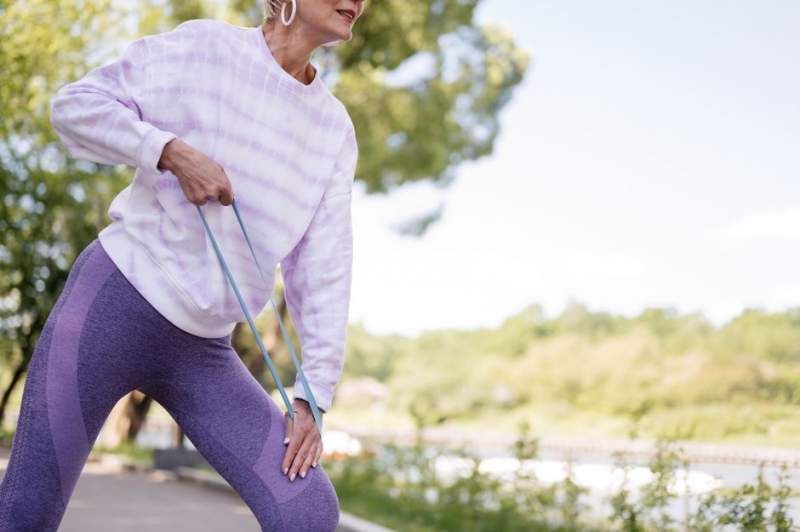
And that force matters in the real world. Carrying groceries. Rising from the toilet. Catching yourself before a stumble turns into a fall. Those are not fitness goals. Those are life-or-death daily tasks disguised as ordinary moments.
The ugly truth is that weakness rarely announces itself all at once. It leaks in through the small things: the hand on the railing, the extra pause before standing, the cautious shuffle across the room.
Chair squats attack that leak at the source.
Why your knees and balance feel the shift first
For the knees, this movement is like replacing a cracked shock absorber with something that actually absorbs impact instead of dumping it straight into the joint. The muscles around the knee take over more of the load, so the joint stops getting bullied every time you rise or descend.
For balance, it’s even bigger. A slow sit-to-stand teaches your nervous system to keep the body stacked, centered, and steady under pressure. That’s why people who practice it start feeling less “wobbly” in hallways, on stairs, and when stepping off a curb.
Picture a morning where you swing your legs out of bed, stand up, and your body doesn’t hesitate. No bracing. No bargaining. No grabbing the dresser like you’re on a rocking boat.
That’s what this movement buys back.
Why the heart and brain respond too
Chair squats don’t just wake up the legs. They send a hot river of fresh blood through the system, forcing the heart to work, circulation to improve, and oxygen to move with more urgency into dormant tissue.
Walking is a steady hum. Chair squats are a power surge.
That surge matters because hard-working muscles release chemical messengers that travel through the bloodstream and tell the rest of the body to clean up its act. Less stiffness. Better energy. Sharper alertness. A body that feels less like it’s dragging itself through the day and more like it’s participating in it.
By the time the pattern changes, you notice it in the afternoon slump too. The chair doesn’t trap you the same way. The body doesn’t feel like it has to negotiate every move.
That’s why nobody built a Super Bowl ad around a chair squat. There’s no logo, no glossy bottle, no overpriced subscription. Just a brutally effective movement that the supplement industry would rather you ignore.
How to do it without beating up your joints
Use a sturdy chair. Sit near the edge with your feet flat and about shoulder-width apart. Keep your chest lifted, lean forward slightly from the hips, and stand up by driving through your heels.
Then lower yourself back down slowly. Control is the whole game here. Slamming down turns a strength move into a joint complaint.
If you need your hands on the chair at first, use them. That’s not weakness; that’s smart loading. Start with a handful of reps, and only work in the range that feels clean, steady, and pain-free.
Over time, the body starts answering back. The stand gets smoother. The descent gets quieter. The legs stop feeling like they belong to somebody older than you are.
And that’s the part most people miss: this is not about exercise for exercise’s sake. This is about making everyday life less expensive for your body.
Why the whole routine changes when strength comes back
Once the legs get stronger, the rest of the day changes with them. You walk into the kitchen with more certainty. You rise from a sofa without the little internal warning siren. You move through the house like your body is once again on your side.
That emotional shift is real. Weakness makes the world feel smaller. Strength makes it open back up.
A body that can stand, lower, and rise with control stops living in fear of the next awkward movement.
That’s why this one exercise beats walking alone for so many older adults. Walking keeps the engine idling. Chair squats teach the engine to pull weight again.
Use both if you want. But don’t confuse motion with strength. They are not the same animal.
P.S.
One common habit wrecks the whole effect: dropping into the chair too fast. That sloppy collapse turns the move into a crash landing, and the muscles that should be doing the work barely get the message.
Slow down the descent, and the exercise becomes a different beast entirely. Next, I’ll show you the tiny breathing cue that makes each rep feel steadier and hits the core harder.
This article is for informational purposes only and does not replace professional medical advice. Please consult your healthcare provider for personalized guidance